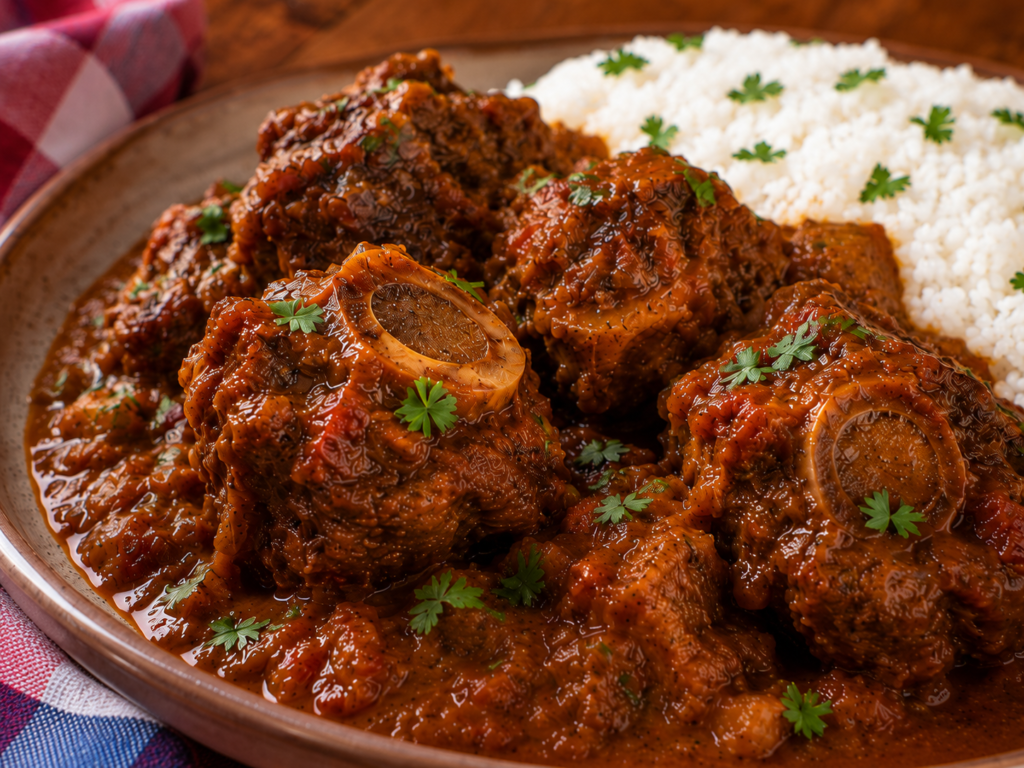
Rabo encendido is the kind of meal I save for a slow weekend. The recipe needs a little attention at the beginning, especially while browning the oxtail and building the sauce, but the slow cooker handles most of the work after that. By the time dinner comes around, the kitchen smells like tomatoes, garlic, peppers, wine, and deeply seasoned beef.
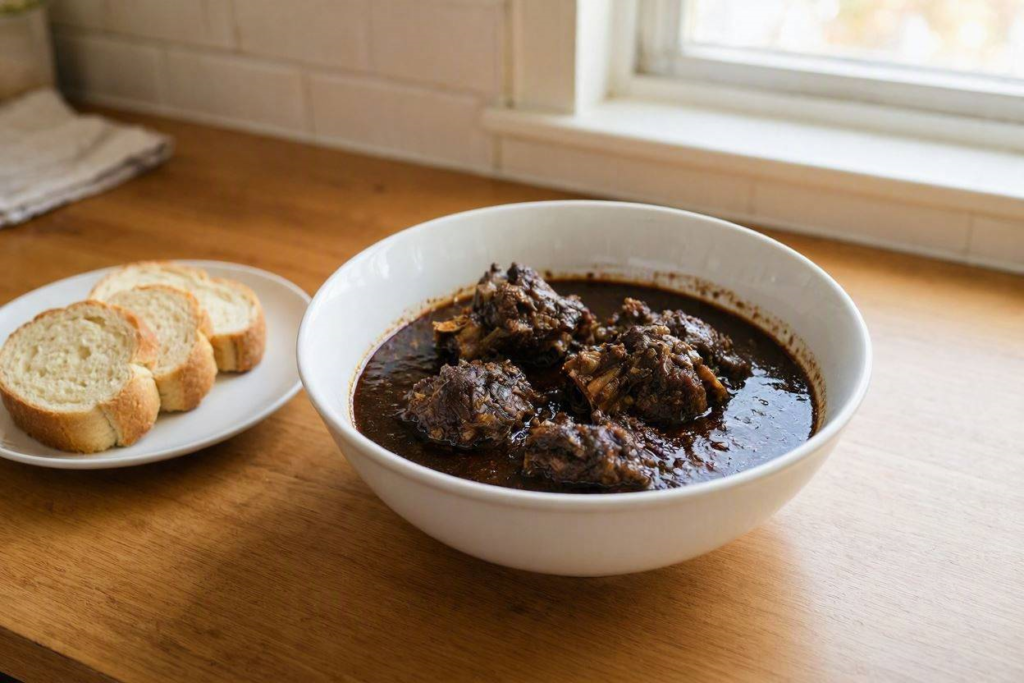
What I love most about this dish is the contrast between the tender oxtail and the lively sauce. The meat becomes soft enough to pull from the bone with a fork, while the tomato-based sauce turns rich, glossy, and gently spicy. It is bold without being overwhelming, especially when served with warm white rice and sweet plantains.
This slow cooker Rabo Encendido recipe begins with well-seasoned oxtail, a proper sear, and a sofrito-style mixture of onion, peppers, and garlic. Red wine, tomatoes, stock, herbs, and warm spices create the sauce. A final stovetop reduction concentrates everything without making the stew heavy or floury.
Rabo encendido is a Cuban oxtail stew made by slowly cooking browned oxtail with sofrito, tomatoes, wine, peppers, garlic, and spices. This slow-cooker version produces fork-tender meat and a rich sauce with adjustable heat, making it especially good with white rice, avocado, yuca, or sweet plantains.
What Is Rabo Encendido?
Rabo encendido is a Cuban-style oxtail stew known for tender meat, a tomato-and-wine sauce, and noticeable chili heat. The name is commonly understood as “oxtail on fire,” but the dish does not need to be painfully hot. A well-balanced version lets you taste the beef, vegetables, wine, herbs, and spices before the heat slowly builds.
Oxtail works particularly well in this kind of stew because each piece contains bone, meat, fat, and connective tissue. As it cooks, the connective tissue breaks down and releases gelatin into the sauce. That natural gelatin gives the finished stew its silky body and helps the sauce cling to the meat.
The flavor base usually starts with onion, peppers, and garlic. Tomatoes provide acidity and body, while dry red wine adds depth. Cumin, oregano, paprika, bay leaves, and chili give the stew its warm, savory character.
Recipes vary from one household to another. Some include olives, capers, potatoes, or several kinds of hot peppers. My slow-cooker version uses carrots for sweetness and keeps the sauce focused on tomatoes, wine, sofrito, and tender oxtail.
Rabo Encendido Recipe Ingredients
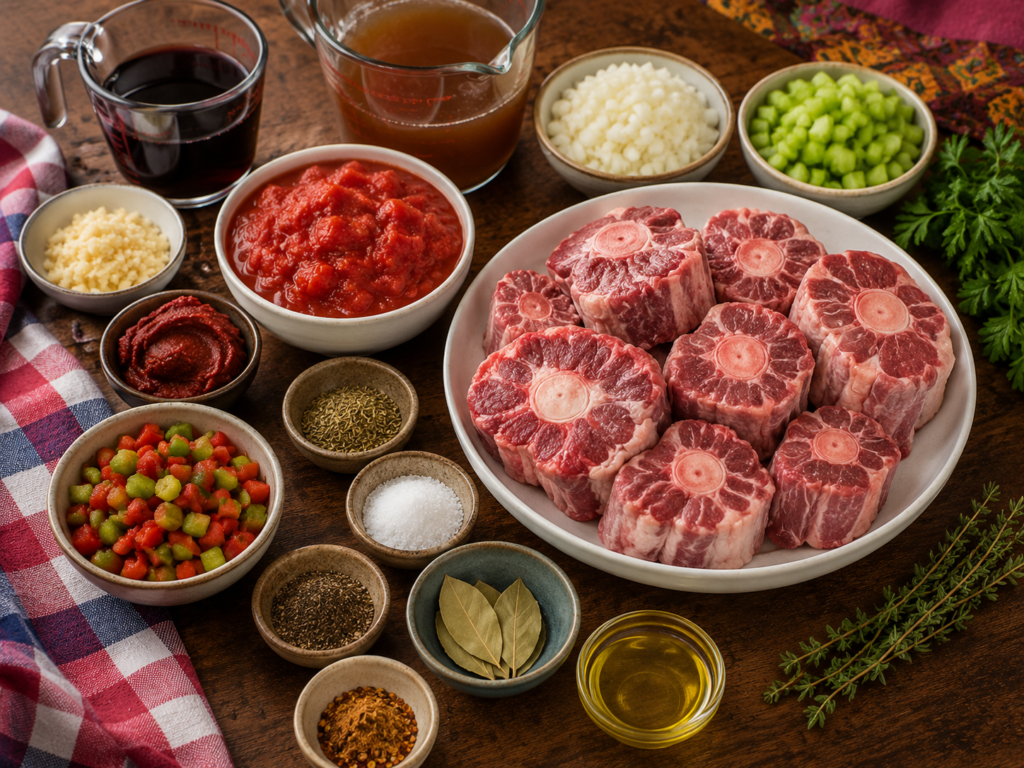
Oxtail
Choose oxtail pieces with a good amount of meat around the bone. Packages often contain both small and large cuts, which is normal, but pieces of a similar size cook more evenly.
Pat the meat completely dry before seasoning. Surface moisture prevents browning and can cause the oxtail to steam in the skillet.
Seasonings
I season the oxtail with kosher salt, black pepper, ground cumin, dried oregano, paprika, and cayenne pepper. Applying the seasoning directly to the meat helps every piece taste flavorful rather than leaving all the spices in the sauce.
The cayenne controls much of the heat. Start with a small amount because the sauce becomes spicier as it reduces.
Onion, Peppers, and Garlic
Onion, red bell pepper, green bell pepper, and garlic create the vegetable base. The peppers add sweetness and freshness, while the garlic gives the stew a deep savory aroma.
A Cubanelle pepper can replace the green bell pepper. It is mild, slightly sweet, and thinner than a standard bell pepper.
I also add a seeded jalapeño for medium heat. For a hotter version, use a small amount of habanero or Scotch bonnet pepper.
Tomatoes and Red Wine
Tomato paste adds concentrated flavor and helps give the sauce a rich color. Cooking it for a minute or two before adding liquid removes its raw taste.
Crushed tomatoes form the body of the sauce. Dry red wine adds acidity and depth while loosening the flavorful browned bits from the skillet.
Cabernet Sauvignon, Merlot, or a dry red blend will work. When cooking without wine, replace it with additional low-sodium beef stock and add a little red wine vinegar near the end.
Beef Stock, Carrots, and Bay Leaves
Low-sodium beef stock loosens the tomato sauce without making it overly salty. Carrots provide a little sweetness, which helps balance the chili and wine.
Bay leaves slowly release their aroma during the long cooking time. Remember to remove them before serving.
How to Make Rabo Encendido in the Slow Cooker
Season and Brown the Oxtail
Pat the oxtail pieces dry with paper towels. Season them on all sides with salt, black pepper, cumin, oregano, paprika, and cayenne. Let the seasoned meat rest for about 15 minutes while you chop the vegetables.
Heat the oil in a large heavy skillet or Dutch oven over medium-high heat. Brown the oxtail in batches, leaving space between the pieces. Crowding the skillet lowers the temperature and prevents a deep crust from forming.
Allow each piece to sit undisturbed for several minutes before turning it. The goal is a dark brown exterior, not simply a light golden color. The oxtail does not need to cook through at this stage.
Transfer the browned pieces to a 7-quart slow cooker. A wide 6-quart cooker may also work, but only when the ingredients stay below the manufacturer’s maximum fill line.
Build the Sofrito
After browning the meat, check the amount of fat left in the skillet. Remove the excess, leaving about two tablespoons.
Reduce the heat to medium and add the onion and bell peppers. Cook for about five minutes, stirring occasionally and scraping up the browned bits from the bottom of the skillet.
Add the garlic and jalapeño. Cook for approximately 30 seconds, just until fragrant. Avoid cooking the garlic too long because burned garlic can make the sauce bitter.
Stir in the tomato paste and cook it for one to two minutes. It should darken slightly and begin coating the vegetables.
Make the Tomato-Wine Sauce
Pour the red wine into the skillet and scrape the bottom with a wooden spoon. Let the wine simmer for two to three minutes so its sharp alcohol aroma begins to fade.
Stir in the crushed tomatoes, beef stock, and bay leaves. Bring the sauce to a gentle simmer, then pour it over the browned oxtail in the slow cooker.
Add the carrots and gently turn the oxtail pieces so they are coated in sauce.
The slow cooker should be approximately one-half to three-quarters full. When it is too full, hold back some sauce rather than forcing everything beneath the lid. The oxtail does not need to be completely submerged.
Slow Cook Until Tender
Cover and cook on LOW for 8 to 10 hours. The low setting gives the connective tissue time to soften gradually and produces especially tender meat.
You can cook the stew on HIGH for about 5 to 6 hours, but the texture may not be quite as soft. Slow cookers vary, so use the meat’s texture rather than the clock as your final guide.
The oxtail is ready when a fork enters the thickest pieces easily and the meat begins releasing from the bone. If it still feels firm, tight, or chewy, continue cooking on LOW in 30- to 45-minute intervals.
Thicken and Finish the Sauce
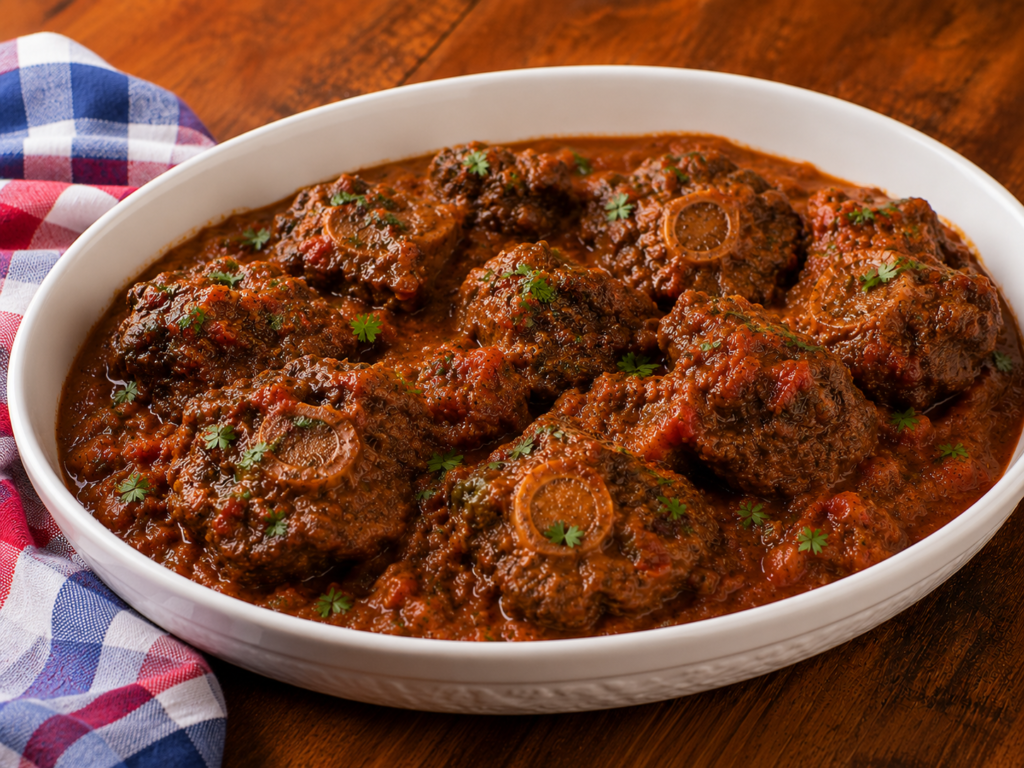
Slow cookers trap moisture, so the sauce may be thinner than expected when the oxtail is tender. Carefully transfer the meat to a serving dish and remove the bay leaves.
Skim excess fat from the surface. Pour the sauce into a wide saucepan and simmer it over medium heat for 10 to 20 minutes. A wide pan allows water to evaporate quickly and concentrates the tomato, wine, and beef flavors.
When the sauce coats the back of a spoon, taste it. Add more salt when needed. If it tastes rich but slightly flat, stir in one tablespoon of red wine vinegar.
Return the oxtail to the sauce and turn the pieces gently. Properly cooked oxtail is delicate and can separate from the bones if stirred too firmly.
How to Fix Common Rabo Encendido Problems
The oxtail is still tough: Continue cooking on LOW in 30- to 45-minute intervals. Tough oxtail is usually undercooked.
The sauce is too thin: Remove the meat and reduce the sauce uncovered in a wide saucepan. Avoid adding flour before trying reduction.
The sauce is greasy: Skim the surface with a large spoon, use a fat separator, or refrigerate the stew overnight and lift away the hardened fat.
The stew is too spicy: Add unsalted stock or crushed tomatoes and serve it with rice, avocado, or sweet plantains. Avoid adding a large amount of sugar.
The sauce tastes flat: Add salt first. Then add red wine vinegar a teaspoon at a time until the flavors taste brighter.
How Spicy Is Rabo Encendido?
Rabo encendido should have noticeable warmth, but the amount of heat is flexible. The chili should support the tomato, wine, peppers, and oxtail rather than covering them.
For a mild stew, omit the jalapeño and use only a pinch of cayenne. For medium heat, use one seeded jalapeño and ¼ teaspoon cayenne. For a hotter version, leave some jalapeño seeds or add a small amount of habanero.
Taste the sauce again after reducing it. As water evaporates, both the salt and chili become more concentrated.
I like serving hot sauce at the table. This keeps the main batch comfortable for most people while allowing anyone who enjoys stronger heat to adjust an individual serving.
Tips for Tender Oxtail
Do not skip browning. The slow cooker can tenderize the meat, but it cannot create the same roasted flavor that develops in a hot skillet.
Avoid adding too much liquid. Oxtail, tomatoes, and vegetables release moisture as they cook, while very little evaporates from a covered slow cooker.
Give the meat enough time. Oxtail may look cooked before its connective tissue has softened. If the meat does not release from the bone, continue cooking.
Skim the fat before serving. Oxtail naturally contains a significant amount of fat, but leaving too much in the sauce can make the stew feel oily.
For an easy make-ahead meal, cook the stew one day before serving. Chill it overnight, remove the hardened fat, and reheat it gently. The flavors often taste rounder and more balanced the next day.
What to Serve With Rabo Encendido
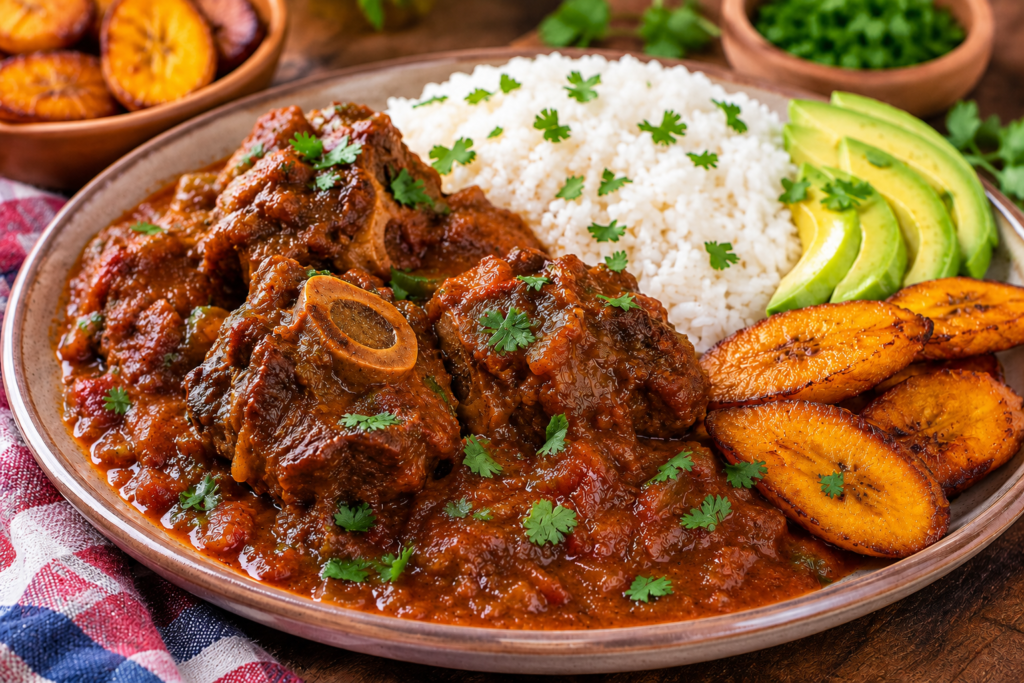
White rice is my favorite side because it absorbs the rich sauce without competing with it. Spoon the oxtail and plenty of sauce over the rice, then add chopped parsley or cilantro.
Sweet fried plantains are especially good beside a spicy batch. Their caramelized sweetness balances the chili and tomato acidity.
Boiled yuca is another satisfying option. Its mild flavor and dense texture work well with the tender meat and sauce.
Mashed potatoes provide a creamy, comforting base, while crusty bread is perfect for collecting every bit of sauce left in the bowl.
For something fresh, serve sliced avocado, a simple green salad, or lightly sautéed vegetables on the side.
How to Store and Reheat Rabo Encendido
Cool leftovers promptly and divide them into shallow airtight containers. Refrigerate the stew for three to four days.
The sauce may become thick or jelly-like when chilled because oxtail releases natural gelatin. This is normal. It will loosen as the stew reheats.
Reheat leftovers gently in a covered saucepan over low heat until hot throughout. Add a small splash of beef stock or water when the sauce has become too thick.
Avoid stirring aggressively because the tender meat can fall away from the bones. Turn the pieces gently with tongs or a large spoon.
Rabo encendido can also be frozen for up to three months. Freeze it in meal-sized portions, thaw it overnight in the refrigerator, and reheat it on the stovetop.
Frequently Asked Questions
What does rabo encendido taste like?
It tastes rich, beefy, tomato-based, and warmly spiced. The sauce combines sweetness from peppers and onions, acidity from tomatoes and wine, and adjustable chili heat.
Is rabo encendido very spicy?
It can be spicy, but the heat is easy to control. Reduce the cayenne and omit the jalapeño for a mild version, or add habanero for a hotter stew.
Can I make rabo encendido without wine?
Yes. Replace the wine with additional low-sodium beef stock and add one tablespoon of red wine vinegar near the end of cooking.
Why is my oxtail still tough?
The connective tissue has not finished softening. Continue cooking until the meat releases easily from the bone.
Why is my rabo encendido sauce greasy?
Oxtail naturally releases fat. Skim the sauce after cooking or refrigerate the stew overnight and remove the hardened layer before reheating.
Can I use beef short ribs instead of oxtail?
Yes, but the result will be a Cuban-style beef stew rather than traditional rabo encendido. Short ribs may also cook more quickly.
Can I make rabo encendido on the stovetop?
Yes. Cover and simmer the stew gently for about 3 to 4 hours, turning the oxtail occasionally and adding stock when necessary.
Can I prepare it ahead?
Yes. The stew often tastes even better the next day. Refrigerate it overnight, remove the hardened fat, and reheat it gently before serving.
Recipe Card
Slow Cooker Rabo Encendido
A rich Cuban-style oxtail stew made with tomatoes, red wine, peppers, garlic, carrots, and adjustable chili heat.
- Prep time: 30 minutes
- Cook time: 8 to 10 hours
- Sauce reduction: Up to 20 minutes
- Total time: 8 hours 50 minutes to 10 hours 50 minutes
- Servings: 6
- Cuisine: Cuban-style
- Method: Slow cooker
- Slow cooker size: 7 quarts
Equipment
- 7-quart slow cooker
- Large heavy skillet or Dutch oven
- Tongs
- Wooden spoon
- Wide saucepan
- Large spoon or fat separator
Ingredients
- 4 pounds oxtail
- 2 teaspoons kosher salt
- 1 teaspoon black pepper
- 1½ teaspoons ground cumin
- 1 teaspoon dried oregano
- 1 teaspoon paprika
- ¼ teaspoon cayenne pepper, or to taste
- 2 tablespoons neutral cooking oil
- 1 large yellow onion, chopped
- 1 red bell pepper, chopped
- 1 green bell pepper or Cubanelle pepper, chopped
- 5 garlic cloves, minced
- 1 jalapeño, seeded and chopped
- 2 tablespoons tomato paste
- 1 cup dry red wine
- 1 can crushed tomatoes, 14 to 15 ounces
- 1½ cups low-sodium beef stock
- 2 bay leaves
- 2 large carrots, cut into thick slices
- 1 tablespoon red wine vinegar, optional
- Chopped parsley or cilantro, for serving
Instructions
- Pat the oxtail dry. Season it on all sides with salt, black pepper, cumin, oregano, paprika, and cayenne.
- Heat the oil in a large skillet over medium-high heat. Brown the oxtail in batches, then transfer it to a 7-quart slow cooker.
- Remove excess fat from the skillet, leaving about two tablespoons.
- Add the onion and peppers. Cook for five minutes, stirring occasionally.
- Add the garlic and jalapeño. Cook for 30 seconds.
- Stir in the tomato paste and cook for one to two minutes.
- Pour in the red wine. Scrape up the browned bits and simmer for two to three minutes.
- Stir in the crushed tomatoes, beef stock, and bay leaves.
- Pour the sauce over the oxtail and add the carrots. Keep the slow cooker no more than three-quarters full.
- Cover and cook on LOW for 8 to 10 hours, until the meat releases easily from the bone.
- Transfer the oxtail to a serving dish. Remove the bay leaves and skim excess fat from the sauce.
- Pour the sauce into a wide saucepan and simmer for 10 to 20 minutes if it needs thickening.
- Taste and add red wine vinegar, salt, or additional chili as needed.
- Return the oxtail to the sauce and turn the pieces gently to coat.
- Serve hot with rice, sweet plantains, yuca, mashed potatoes, avocado, or bread.
Cook’s Notes
- Use a seeded jalapeño for medium heat or omit it for a milder stew.
- Brown the oxtail in batches so the skillet remains hot.
- Reduce thin sauce on the stove before adding flour or cornstarch.
- Refrigerating the stew overnight makes excess fat easier to remove.
- Store leftovers in the refrigerator for three to four days or freeze for up to three months.